- HOME
- "WAITING FOR WALK"
- CURRENT REVIEWS
- TRAVIS MONOLOGUES 2025
- FEATURES & INTERVIEWS
- MUSIC & OUT OF TOWN REVIEWS
- RANTS & RAVINGS
- MEMORIES OF GENIUS
- H.A. EAGLEHART: HIEW'S VIEWS
- TRAVIS ART FOR SALE - Collection 1
- TRAVIS ART FOR SALE - Collection 2
- TRAVIS ART FOR SALE - Collection 3
- TRAVIS ART FOR SALE - Collection 4
- TRAVIS ART FOR SALE - Collection 5
- TRAVIS ART FOR SALE - Collection 6
- TRAVIS ART FOR SALE - Saints & Sinners
- TRAVIS ART FOR SALE - Pet Portraits on Commission
- COMPOSER SONATA: Hershey Felder Portraits
- TRAVIS' ANCIENT & NFS ART
- TRAVIS' PHOTOGRAPHY
- PHOTOS: FINDING MY MUSE
- REVIEW ARCHIVES: SUMMER 2026 to... ?
- REVIEW ARCHIVES: WINTER 2025 - SPRING 2026
- REVIEW ARCHIVES: WINTER - FALL 2025
- REVIEW ARCHIVES: SUMMER - WINTER 2024
- A LIFE IN PHOTOS [1946 - 1996]
- A LIFE IN PHOTOS [1997 - 2015]
- A LIFE IN PHOTOS [2016 - 2018]
- A LIFE IN PHOTOS [2019 - 2021]
- A LIFE IN PHOTOS [2022 - 2023]
- A LIFE IN PHOTOS [2024 - 2025]
- A LIFE IN PHOTOS [2026 to...
- TICKETHOLDER AWARDS 2025 - Part One
- TICKETHOLDER AWARDS 2025 - Part Two
- LADCC AWARDS WINNERS 2025
- TRAVIS' ACTING SITE & DEMO REELS: travismichaelholder.com
- CONTACT THLA

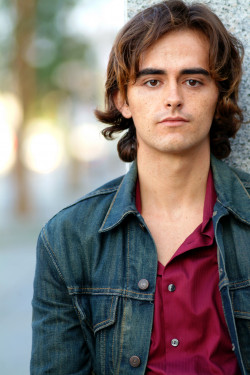
Headshot 2013 by David Robinette
ON FILM / PREVIEW: Wild Horse Nine

Photo courtesy of Searchlight Pictures
Special to TicketHoldersLA by H.A. Eaglehart
I’ll never forget being a starry-eyed, aspiring teenage writer during my first semester of community college. On a backpacking trip in the Rocky Mountains, a classmate, over a donut in Durango, told me that I absolutely had to see a new film called In Bruges. At the time, two writers were majorly impacting my aspiration to forge a career with words. The first was Sherman Alexie, who gave an inspiring lecture at Fort Lewis College that I had the great fortune to attend. I'll never forget one of the things Alexie said: "If your work doesn't enrage the powers that be, then you're not writing truthfully."
On Tuesday night at the Directors Guild of America, it became my pleasure to finally say I’ve had the privilege of listening in person to the second writer discuss his work: Martin McDonagh.
The privilege of being one of the first in Los Angeles to see Wild Horse Nine, a definite contender for all the awards this year, was only second to sitting in the third row watching McDonagh onstage discuss his craft. There is a thread interconnecting his work that has always fascinated me: his ability to use storytelling as a vehicle for the audience to find commonality in island life. Perhaps one of the many great lines in this new film is John Malkovich's character telling a British character that he always preferred Ireland's side. As a Navajo born on my reservation, there is something deeply relatable in that line of stellar dialogue.
I have no doubt history was made this week through Malkovich's performance. My partner, Travis Michael Holder, tells a fascinating story from back in the day during one of the many times he was performing as Lennie in Of Mice and Men. Moira Sinise, wife of Gary Sinise who had starred in a film version of the classic opposite Malkovich, had attended opening night and returned the following week with Malkovich, a fellow Steppenwolf Theatre founder, so he could see Travis perform. The famously illusive star didn’t stay after the show but a few days later, he sent Travis an 8x10 photo of himself as Lennie to the theatre, signing it with a note saying Travis' Lennie was better than his. Travis must have been remarkable, because after seeing Wild Horse Nine, the depth and nuance of Malkovich's talent are once again strikingly on display.
During the Q&A at the DGA, McDonagh shared that the role for Sam Rockwell was written specifically for him—continuing a partnership seen in Seven Psychopaths and Three Billboards Outside Ebbing, Missouri. McDonagh admitted his stories are always character-driven, which is why he loves working with Rockwell. Watching Wild Horse Nine left me with the impression of a seeing a play more than a feature film, which speaks to McDonagh's brilliance. He gives actors so much rich material to work with and Rockwell takes it and runs seamlessly.
Growing up Navajo, I rarely saw authentic representation of Indigenous people in film until Sherman Alexie’s 1998 classic comedy-drama Smoke Signals, directed by Chris Eyre, which made history as the first feature film entirely written, directed, and produced by Native Americans to reach wide theatrical distribution. Authenticity matters deeply and during the talkback, McDonagh and leading actress Mariana Di Girolamo discussed their collaboration. McDonagh shared that after seeing Di Girolamo star in the 2019 Chilean drama Ema, he knew he wanted to work with her. Di Girolamo confided to the audience how McDonagh served as a mentor on set, as Wild Horse Nine marked her first comedy-drama. For me, the best part of their conversation was how vital it was for her character Monica to be played by a Chilean actor who could bring the requisite empathy, dignity, and respect to the role and the history of her country, which plays a vital part in the story.
No role is small when performed by the likes of Steve Buscemi, Parker Posey, or Tom Waits; Best Ensemble is by far the biggest award I would bestow on this film. Every character is written with the same care as every line of dialogue. That commitment to authenticity reigns supreme, leaving me weeping and laughing from start to finish. It extends directly to the film's locations, primarily filmed in Santiago, Chile and on Rapa Nui (Easter Island) and from casting Di Girolamo to shooting Waits' one cameo scene on location in Monument Valley rather than on a soundstage. It immediately recalled In Bruges, where Executive Producer Graham Broadbent shared a story during the talkback about when it was uncertain if they could shoot in Belgium: McDonagh simply declared, "Either we shoot it here or we don't make the film."
I won't spoil any of this brilliant filmmaking, but if you are looking for connection and commonality during one of the most turbulent times in American history, I wholeheartedly recommend Wild Horse Nine. And as someone who has made a career in equine therapy, I must admit a personal bias toward the film's closing line, delivered impeccably by Malkovich: "I wish I had killed fewer people and known a lot more horses."
OPENING NATIONWIDE NOVEMBER 7
Looking at the Silent Spaces
4 SEPT 26: When I was thirteen years old, sitting at a dining room table on an isolated farm, I calculated my own exit. The afternoon sun was coming through the window, hitting the driveway outside, and I had a rifle's metal barrel in my mouth. I had convinced myself of a lie that isolation tells with absolute authority: that I was invisible, that my presence didn't matter, that my story had already been written for me.
What stopped me in that moment was not a sudden burst of warmth or a grand revelation. It was a fierce, quiet refusal to let indifference write my ending. I realized that if I pulled the trigger, the narrative of my life would belong entirely to people who didn't care to know who I actually was. I chose to stay so that I could hold the pen myself.
Last week at Camp Ramah in Ojai surrounded by students, I listened to a high school senior tell a group of juniors how a single retreat had pulled him out of absolute isolation. Listening to him, the thread of my own life clicked into place. Surviving that dark afternoon at thirteen wasn't just about enduring the pain; it was about learning what indifference feels like so I could spend the rest of my life offering its exact opposite.
Loss forces us to look at the silent spaces between people. It reminds us that external markers of success, talent, or charm never make anyone immune to darkness. We honor the people we’ve lost—not by romanticizing their final moments of despair, but by holding onto the love they gave, and by actively building spaces where others can put their armor down.
Life becomes worth living when we decide to turn it into an invitation. We build the course, we light the fire, and we extend a hand into the dark, proving to anyone sitting alone in their own quiet room that their story is far from over.
Throughout my life, I have been blessed to walk alongside people who seemed to carry an electric, magnetic light within them. People like Seth, a guy who had the world at his feet, effortless charisma, and a natural ability to draw people in. People like Jeremy, who possessed a rare, quiet warmth that made a lonely, homeschooled kid feel seen when no one else was paying attention. They were brilliant, vibrant human beings who reminded everyone around them of how vivid life could be when lived with passion.
When you cross paths with people who shine that brightly, you realize something fundamental: the true magic of existence isn't found in solitary achievements or quiet isolation. It is found in the shared space between us. We are, in the most literal sense, the adventure that makes life so grand. The landscapes, the heights, the courses, and the open roads are just backdrops; the real life happens in the laughter, the shared struggles, the late-night talks, and the quiet knowing that someone is walking beside you.
That high school senior on the retreat understood this truth deeply when he stood before his peers and urged them not to waste a single second, to never hold back from giving themselves to the moment. To withhold who you are, to hide behind a mask or withdraw into the shadows, doesn't just isolate you—it deprives the entire world of an adventure that only you can offer. Every person who steps out into the light and shares their authentic self enriches the journey for everyone else.
We do not navigate this world alone. By opening our doors, extending our hands, and inviting each other into the fold, we make the dark spaces smaller and the light infinitely brighter. The greatest tribute we can pay to those who have illuminated our paths is to keep building those connections, to keep extending the invitation, and to ensure no one ever has to wonder if their story matters.
Seth was my cousin, a guy whose presence could instantly shift the energy in a room. He had the kind of natural athletic grace, charm, and magnetic pull that made you feel like you were standing in the orbit of someone destined for greatness. Jeremy was a wrestler I met at a martial arts gym when I was still just a lonely, homeschooled kid trying to find my footing in a world I didn't understand. He had a rare, unprompted kindness, taking time out of his day to include me and make sure I didn't feel invisible.
When lives like theirs end, the tragedy isn't just the loss of who they were in that moment—it is the loss of the infinite adventures they were meant to bring into the world. They were brilliant, vibrant human beings, and losing them left the world dimmer, depriving everyone around them of the warmth, stories, and shared journeys they should have had decades left to offer.
Carrying their memories didn't make me stronger than them, nor did it give me a grand key to understanding the human mind. Instead, it gave me a fierce, unwavering sense of duty. For nearly two decades, I have dedicated my life to building spaces—on challenge courses, around campfires, and high in the trees—where young people can experience absolute safety, raw freedom, and authentic community. I wanted to ensure that no kid, no matter how quiet or isolated, ever had to question whether they belonged.
That duty never felt more urgent than in the wake of the COVID-19 pandemic lockdowns. While the world ground to a halt, millions of kids—especially those without access to wealthy private school resources or robust support networks—were thrust into a silent, suffocating isolation that mirrored the dark farm of my own youth. Coming out of those lockdowns, you could see the weight they were carrying. They had been pulled out of community at the exact moment in life when connection matters most.
I remember one kid in particular during those post-lockdown programs who was carrying a darkness so heavy, quiet, and profound that it genuinely worried me. He moved through the days closed off, wrapped in armor, as if he had already accepted that he was invisible to the world.
But the challenge course isn't about lecturing kids into feeling better; it is an invitation to step back into life. Day by day, height by height, that young man began to uncoil. He realized he was safe to drop his guard, to trust the team holding his belay line, and to step into his own strength.
Today, that same kid has grown into one of the most incredible mentors to younger students I have ever seen. He is fiercely strong, vibrant, and full of a rich, generative life. Watching him stand in the sun, pouring encouragement into younger kids who are sitting where he once sat, is a quiet, powerful miracle. It makes me immensely proud just to exist in his orbit.
That is why we build these spaces. We don't do it to rewrite the past, but to protect the future—ensuring that every child gets the chance to realize that their presence is an adventure the world cannot afford to miss.
Then comes the sudden, brutal phone call that stops time entirely.
Our friend Ray Owl took his own life this week.
The news hit Travis and me this evening like a physical impact, leaving us staggering in the quiet of our living room, completely devastated. There is no lead up that prepares you for a moment like that, no rationale that softens the blow. Ray was someone with whom we shared a deep, vibrant connection—a creative, generous spirit who was a constant thread in our lives.
In the quiet aftermath of that shock, my mind kept returning to this past January, when Travis and I went down to New Orleans. We spent precious time hanging out with Ray, walking the streets, sharing a meal, and simply being together in a city that felt like a second home. I am overwhelmed with gratitude that we took that trip, that we didn't push it off to 'someday' or let the business of life get in the way. We got to laugh with him, share space with him, and hold him in our arms one last time.
That is the stark, essential truth that loss forces us to confront: taking time to be with the people we love isn't a luxury to schedule when everything else is finished. It is the entire point. We simply cannot know what tomorrow holds, or what unseen battles the person sitting across from us is fighting. All we ever truly possess is the present moment, and the choice to fill it with presence, connection, and love.
Hearts of Love
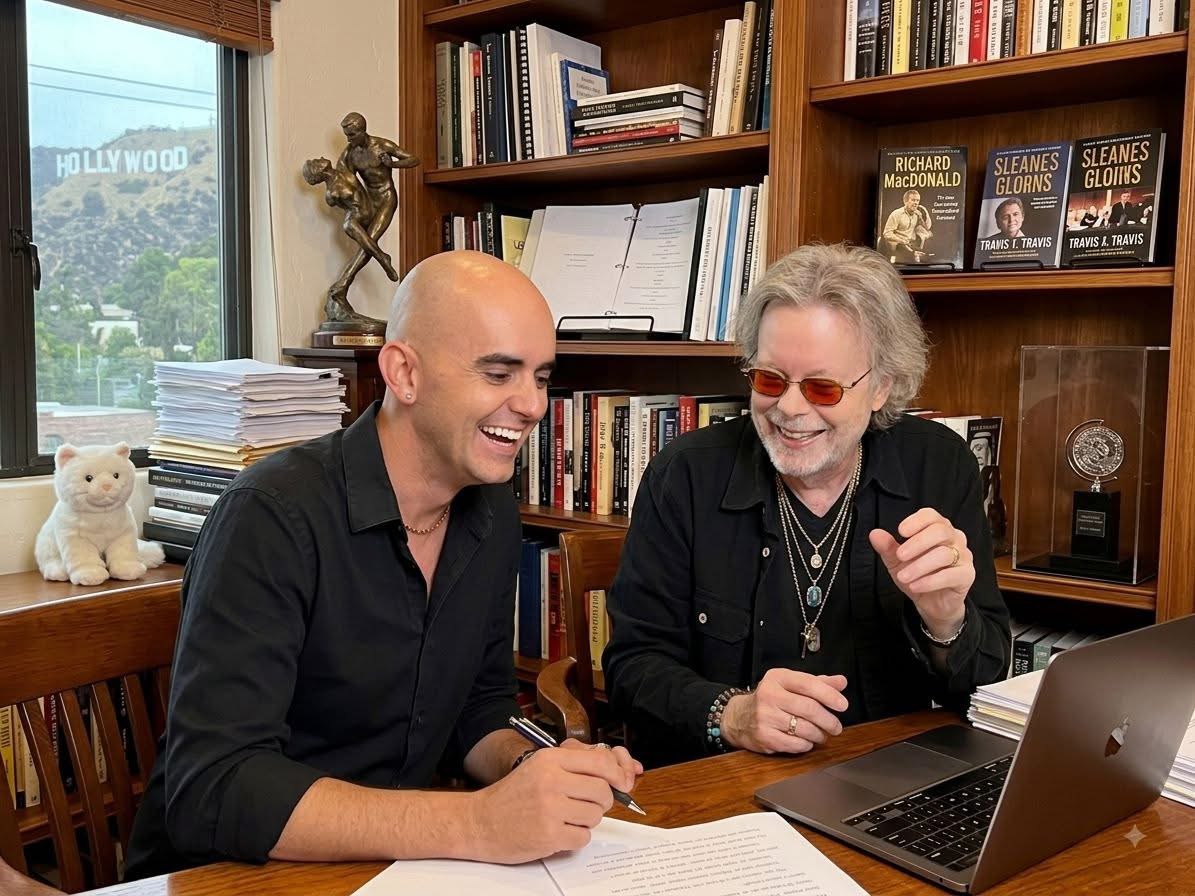
AI photo collage by Gemini
14 AUG 26: People talk about true love like it is a gentle thing—a soft landing, a shared laugh over coffee, a sunset walk. But true love isn't a luxury item. True love is a shield you forge out of your own muscle and bone, and sometimes, the world demands that you hold that shield completely alone in the dark.
If you follow popular approval, love is easy. It comes with societal blessing, family support, and an audience cheering you on. But when you follow your heart across lines the world doesn't understand—across generations, across expectations, across class—the world withdraws its safety net. It doesn't offer you empathy; it offers you indifference, judgment, or an ultimatum.
I learned what true love required long before 2020, but the fire was built years earlier.
Part I: The Gamble and the Protocol
In the summer of 2017, I was working at Orchard Supply Hardware in Los Angeles, desperate to transition into my true passion and finally put my college degree in Outdoor Adventure to work. A seasonal offer came through from Griffith Park Boys Camp: ten weeks of work, starting with a mandatory one-week staff training. The pay was lower than hardware retail, and I had zero financial margin, living strictly paycheck to paycheck. But I knew if I didn't take the leap, I’d be stuck forever.
I pitched taking the entire summer off to my store manager, Vicky. She was a cool, sharp woman originally from Northern California—a real farm girl who recognized immediately, just from who I was and how I worked, that I had grown up on a farm too. We had a unspoken connection built on that shared background. What I didn't know then was that Vicky was guarding a heavy secret: she was the only person in the store who knew Orchard Supply was going insolvent. Months before the company went public with its bankruptcy, Vicky already knew the ship was sinking.
Because of our bond and what she secretly knew about the store's shelf life, she granted me the impossible: the entire summer off with a guaranteed job waiting for me in the fall. My coworkers were absolutely furious. They were being denied basic single-week vacation requests while I was handed a full three-month pass. The stakes were astronomical; I was walking a social tightrope at work, risking my entire baseline security just to take a shot at my career.
Then the floor dropped out.
Travis needed a major medical procedure, which came at a high-risk to his heart. Surgeries of that magnitude aren't scheduled on a whim; they are booked months in advance, and by sheer misfortune, the hospital’s first available date landed right in the middle of camp training week. Missing training meant immediate termination from the camp.
Hospital protocol was ironclad: a surgical patient had to be dropped off by the person who would be taking them home. They would not admit him otherwise. Knowing I couldn't be there in the morning without losing my job, Travis and I practically begged the medical staff to adapt. In a rare, astounding act of empathy, the hospital agreed to break protocol. They allowed a 71-year-old man with a weak heart to take an Uber by himself to check into major surgery—solely on my solemn promise that I would be standing in the waiting room at noon on Friday to pick him up. The camp schedule swore training ended at Friday lunch. The timeline was razor-thin, but it was our only shot.
The last text came from Travis right before they wheeled him into the operating room. After that, total radio silence. Because Travis had no family there and I was trapped at camp, there was no status update, no liaison, no one to tell me if he was breathing.
Late Thursday night, the hospital finally called. The doctor said things had been touch-and-go with his heart during the procedure, but he was out of surgery and recovering. I didn't sleep a single second that night. I lay in the dark, processing the terror of almost losing him with no family to turn to, completely alienated in LA, bracing for Friday morning.
When Friday arrived, camp leadership casually announced that training wouldn't end at lunch after all—it would drag on until 4:00 PM or later. When I desperately explained that my partner was sitting in a hospital recovery ward waiting for me, and that I had promised the staff I would be there at noon, they gave me a cold ultimatum: If you leave early, you're fired.
The sheer weight of everything—the secrecy at Orchard, the fury of my coworkers, the sleepless night, the sheer terror of Travis sitting alone after heart surgery—shattered me. I had a total breakdown, crying so uncontrollably in front of everyone that they had to remove me and put me in an back office. Facing a distraught man who refused to back down, they finally yielded and let me leave with my job intact.
I drove straight to the hospital. I was penniless, exhausted, and emotionally battered, but when I walked into that room to pick him up, I learned a vital truth: If you are afraid of being alone, you will compromise on love. But if you aren't afraid of standing alone, your love becomes unbreakable.
That grueling summer was also where I met Dr. Al Wright, setting off the chain reaction that built my career with Fulcrum Adventures and Alpine Towers. The fire didn't destroy me; it cleared the ground for my future.
Part II: Cold Math and 6% Odds
Three years later, the real test arrived.
In 2020, Travis was diagnosed with prostate cancer. The doctors gave him less than a 6% chance of survival. Almost immediately after, the global pandemic locked down the world.
While everyone else was arguing online or settling into remote work, I was driving my 74-year-old partner to chemotherapy at Cedars-Sinai, acting as his sole caretaker, driver, and airlock against a deadly virus. His immune system was systematically dismantled by chemo; a single point of exposure to COVID meant death.
The world outside was silent, but the silence from my own blood was deafening. Earlier, when I had remarked to my mother about how horrifying the rising COVID death toll was, her immediate, flat response had been: "Well, in a country of 300 million, the number of people dying is relatively small."
It wasn't just a casual remark—it was the cold, utilitarian logic that much of the country adopted to distance themselves from human tragedy. To her, Travis was just an old man who had lived his life, a fraction of a statistical rounding error in a nation of 300 million. She knew he had a 6% survival chance and was undergoing chemo, yet throughout the entire crisis, she never called once to ask if I was okay.
When my brother, fresh out of the Marines, showed up unannounced at my apartment during the strictest height of the California lockdown, he couldn't grasp the reality. He just wanted to see his brother. He didn't understand that letting anyone inside who wasn't strictly quarantined was playing Russian roulette with a cancer patient's life. Standing behind that closed door, I had to make the brutal choice to turn my own brother away.
Even when I reached out to a friend for support, the topic was too heavy, the age gap too unconventional, and the grief too intense. They pulled away. So I processed every hospital drive, every crashing white-blood-cell count, and every terrifying night entirely on my own.
Part III: The Triumph of the Unconventional
They gave him 6%. They told us he wouldn't make it.
They didn't factor in what happens when someone refuses to let go, and they didn't factor in Travis's incredible strength.
Today, Travis and I have been together over thirteen and a half years. He beat those 6% odds. We survived the cancer, the lockdown, the bureaucracy, and the isolation. And while my own family turned their backs, I found what real community looks like through Travis: a network of hundreds of true friends who love him, welcome me, and treat our partnership with deep dignity and respect.
To anyone reading this who feels alienated, judged, or abandoned because your heart led you somewhere the crowd doesn't approve of: do not yield.
The world will tell you to choose what is comfortable, what looks good on paper, and what fits neat societal boxes. But comfort does not build a soul, and popular approval will not sit in a hospital parking lot at 2:00 AM praying for a pulse.
Loving deeply against the grain requires you to be comfortable being the villain in other people's shallow stories. It requires you to carry the weight when nobody else will offer a hand. But when you stand in that fire and protect the person you love, you discover a strength that nobody can ever take away from you.
Finding Solid Ground
21 JAN 25: Have you ever been with someone solely for 12 years? Parents don't count. Someone with whom you share everything, everything. Someone you can honestly say has been your only sex partner. This someone must be a person. However, I guess it could also be a place. Although a place would sort of be like god, I'm not saying you can't have a 12-year relationship with god, but it's a little one-sided and masturbation doesn't count.
I'm talking about a scenario where you have been with one person for 12 years, and you have continue to have hot spectacular sex on a regular basis. Sorry to be crass bringing sex into this, but I'm trying to weed
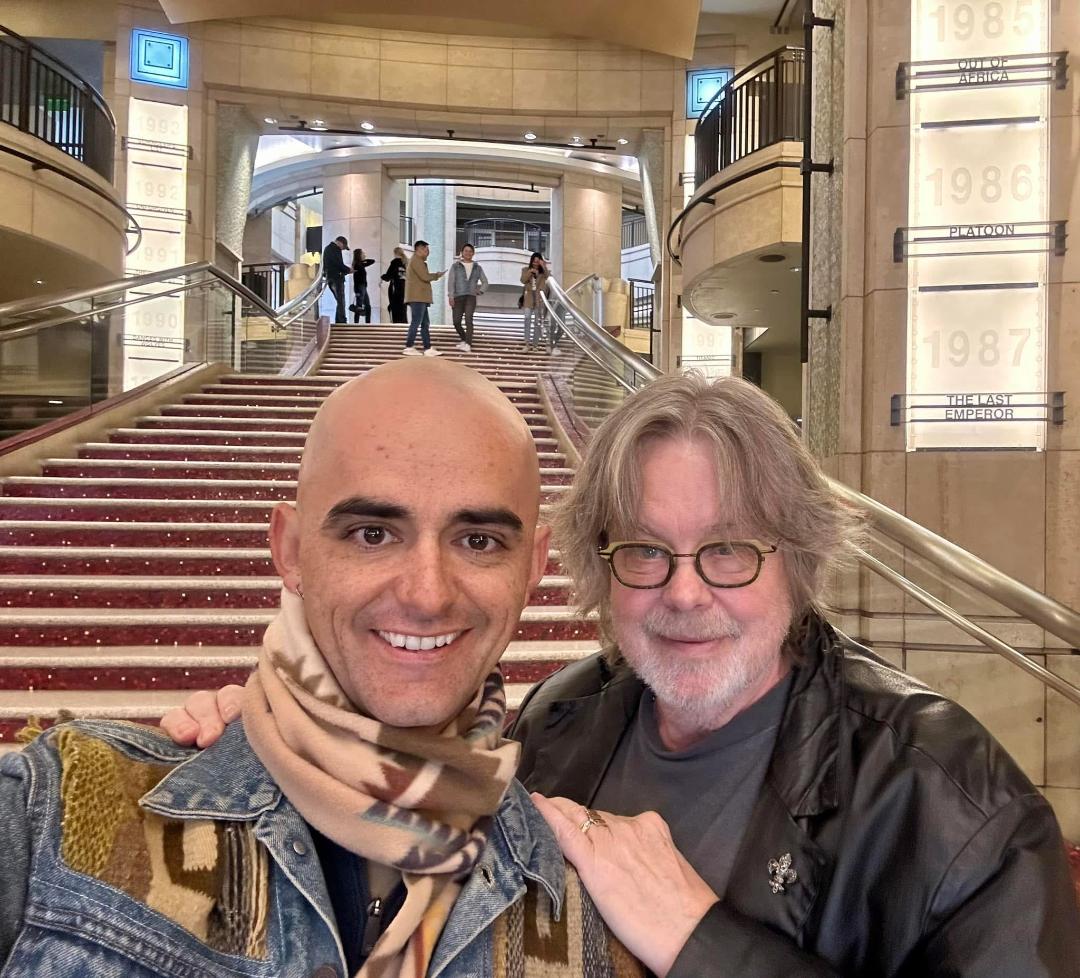
out religious single folks who think they know what I'm talking about simply because they talk to themselves every day and use prayer to solve everything.
I'm talking about possessing the personality and relationship skills to get someone, a living breathing human being, to like you long enough for 12 years to go by with you both still are as much in love and as attracted to each other as Travis and I am.
I cannot believe I have been working with challenge courses for 18 years, Travis and I have been together for 12 years, I have been riding horses since I was in diapers, and I wrote my first manuscript to be published 20 years ago this year. Familiarity is grounding, something without which I couldn't turn 36. I'm still impacting the future with summer camp education, Travis and I are more in love now than we were when we met in the fall of 2012, last year I got back in the saddle, and in 2024 I published my memoir and was published in two different horse magazines. These are the definitions of being on solid ground.
The LA fires canceled all of my work with Fulcrum Adventures last week and this week, allowing me to pivot my attention towards Griffith Park Boys Camp. During the week, I have been helping repair challenge courses and working to prepare boys camp for the big year ahead. On Tuesday as I drove through camp in our old city pickup with a brand new tailgate, it dawned on me this is my 8th year serving the City of Los Angeles as a team-building challenge course enthusiast.
I also realized this week that the camp is haunted because no matter where I am, memories of past adventures flood my mind. Today, I'll be back at boys camp tightening hand holds on the climbing wall and doing other odd chores. At the climbing wall I hear giggling, on the challenge course I hear laughing over at the campfire amphitheater, over by arts and crafts I hear a little hammers tapping during leather work class, at the Science Center my ears can hear Jackson and all the kids in my cabin building a space ship.
We live in an era where nobody does the same career or has the same life partner for their entire life, but this is something I could never not do. The modern definition of happiness is not mine, possibly because of who I am now. I do not need or want new all the time. All I have to do to ground myself when the fast speed of time overwhelms me is go to work, write a poem, or spend an evening with Travis, places I realize where commitment is a reward far outweighing modern ambition.
I think it is absolutely wonderful we live in a time where there are no more arranged marriages and divorce has no stigma. I understand marriage, but you have to admit it was originally created to turn other people into your property. That said, the love Travis and I share is the greatest foundation in my life. I blame the religious nutjobs out there for ruining everyone's perception of lifelong commitment. This is why I work for a secular camp.
Can you believe Griffith Park Boys Camp is the only summer camp in Southern California that doesn't shove religious doctrine down the throats of children? This is a fact of which I'm quite proud—and I know what I'm talking about because I have worked at every summer camp in Southern California and no matter where I am, either the dining hall has Buddha in the name, the Israeli flag is flying high, or a massive wooden cross symbolizing Jesus is overlooking the challenge course.
Not the case at Griffith Park Boys Camp, where campers are allowed to be Muslim, Hindu, Buddhist, Christian, non-religious, or whatever you want without anyone ever telling you you're wrong. This detachment from religion is solely why I am equally commited to Fulcrum Adventures and the Outdoor Recreation and Tourism Department and challenge course at California State University Northridge.
I remember in 2015 wrangling horses in Griffith Park and aside from loving my job each day, the best memory was the joy of knowing that after work, I would go home to Travis. After work, all the wranglers would be excited about going to a cowboy bar in Beverly Hills, but I never went because going home and watching Huell Howser on PBS with Travis was far more fun to me. Travis also supports my writing by reading it and listening. He also helped me get my second book published by editing it and putting me in touch with his publisher. Travis got me back in the saddle again as well by introducing me to his friend Susan in Ojai, who is a psychologist and works in equine therapy.
For me, being with the same person for 12 years is far more rewarding than dating. Gold is less valuable than being able to love someone who listens to me and who I know will be there smiling to greet me the moment I get home. I don't want to be in a relationship with someone who would rather be at a bar in Beverly Hills than home watching Antiques Roadshow on the couch next to me with our little pug between us.
During the pandemic, too many people told me home isolation revealed to them how lonely they were despite how many friends they had. For Travis and me, the pandemic was one long island vacation. We would drive to Griffith Park, where we would read books to one another, or we would stay in my studio apartment where I would write while Travis painted. Never being alone is the greatest gift of longevity, something my generation doesn't value, which I totally get but personally reject as a lifestyle choice.
For decades, lyricists and poets have written about how lonely life in Los Angeles is, or life in general, but maybe everyone simply doesn't want to acknowledge how lonely they are. Travis and I attend so much theatre, I work with every school in the city, I work with hundreds of horses, and people all over the world are reading my memoir being sold at Barnes & Noble. Los Angeles, lonely? Writers have got this city all wrong, which is why my book Urban Native makes me one of the few LA writers not rehashing the same old "world's tiniest violin" whiny crybaby crap.
I love Travis because he discovered many of the musicians whose music the next generation is listening to instead of contemporary music. I know this because I work every day with the little kids who will become the future and they aren't listening to the music we listen to today. Taylor Swift, yes, but for the most part, whenever I am taking song requests, little kids are listening to Joni Mitchell, Jim Morrison, Queen Elton John, and Linda Ronstadt. Travis worked with these artists and gave many of them their first professional job at the Troubadour in Los Angeles, artists who created music with longevity. Longevity is what is missing in today's overproduced, AI monstrosity, elevator, head-banging noise. Travis is my connection to a world less shallow than the one I was born into. I need more than video games and football as conversation fodder for the person with whom I'm spending my life and I found that in Travis.
It's really hard for young people to understand but my generation is finally getting old enough to begin to see what I mean when I say there is nobody greater than a person who is able to spend every day with you, not always talking but able to simply be with you. Travis will tell you nobody needs sex more than me, but sex alone will not last 12 years. Just go to a strip club if you don't believe me and strike up a conversation with one of the customers who is more lonely than an LA lyricist or a theologian praying.
In March I am turning 36, which is a point in life when you really begin to notice, especially if you have been doing the same things and living in the same place for 12 years, that everyone around you is getting older. Whether it is little kids or adults, after 12 years in the same place, you begin to notice aging like never before. For some, this can be daunting, but for me, it shows there will always be children and there will always be adults. The cycle of life is beautiful if you truly take the time to appreciate it as it passes by.
Writing is the best means I have to appreciate this cycle and my memoir is proof. Thanks to my writing, nobody could ever convince me about life being a terrible experience. Too many people I know who ran around having lots of fun without committing to anything or anyone are now disgruntled and pessimistic, whereas I wake up each morning excited because I'm always someplace new every day, yet I'm still with the same person. My life takes me all over the place from the Grand Canyon to Malibu to Griffith Park to New Orleans. I couldn't work in the same office cubicle my whole life, nor could I look for a new job as often as people find new romance partners.
This Saturday we will be taking kids to the Griffith Park Observatory, where they will be hanging out with NASA scientists, and I will be leading team building. 2025 will be the start of the second year of Griffith Park Boy Camp's Air Land and Sea program. We go whale watching, we go to Huntington Beach Gardens, we go to the LA Zoo, we go camping. How could I not be a writer and not be in love with life's journey?
I'm really shocked at how many people in their mid-30s walk around under little rain clouds. They act like the best is behind them and the future is uncertain. How could I? I have publishers interested in books I haven't even written yet and I'm currently helping the City of LA design an after-school program based around summer camp activities. Why? Currently, most after-school activities revolve around sports and if you have been working with children as long as me, you know for a fact, sports create many health problems for kids, especially football. I am devoted to ending this country's infatuation with sports and removing the NFL from its pedestal.
We need to be teaching children empathy or start providing real healthcare because of all the negative health issues caused by sports like brain trauma, spinal development problems, and poor sportsmanship.
See? I have way too much to do for not wanting to jump out of bed every morning with a smile. That’s the difference between being grounded and blowing around in the wind with nowhere or nobody to call home.
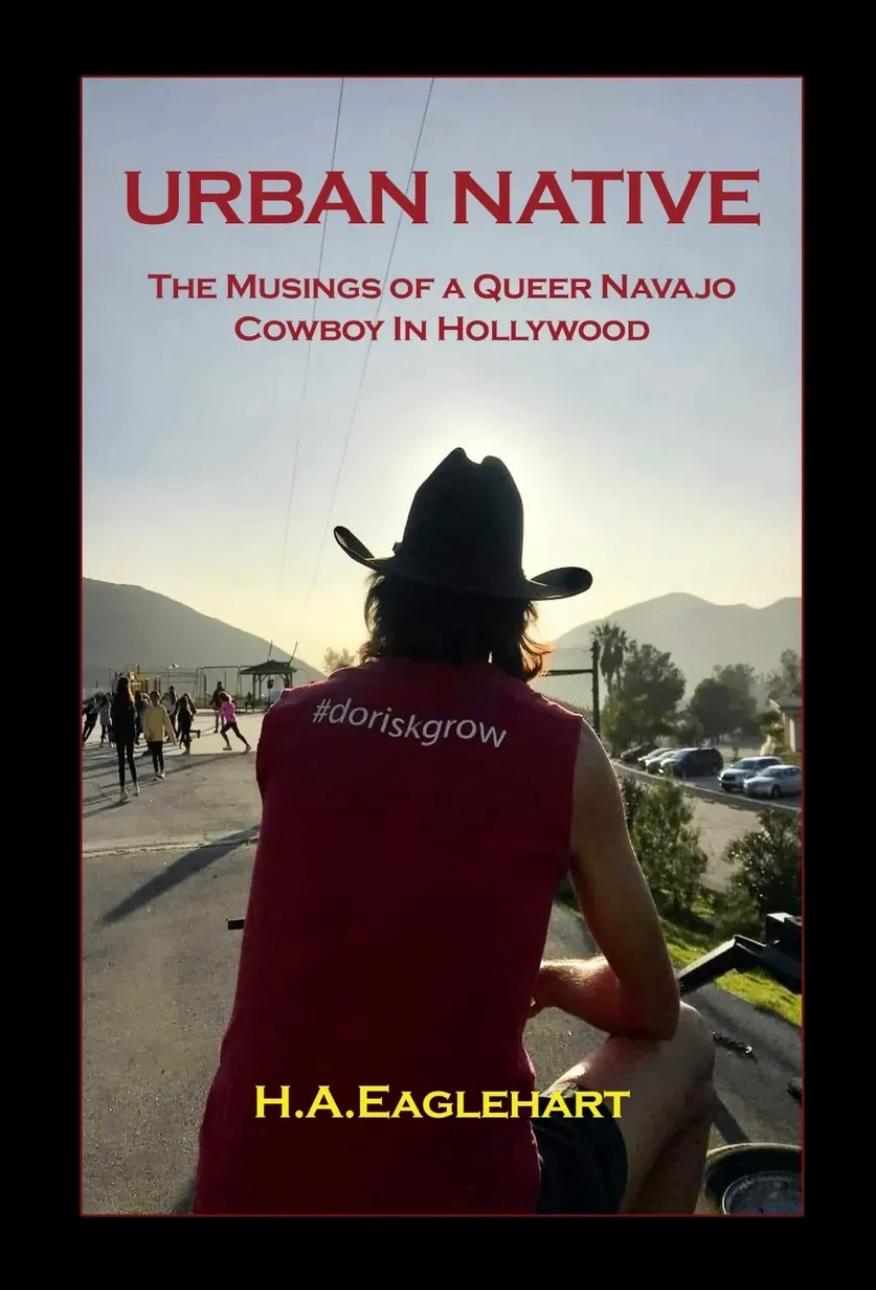
THEN THIS HAPPENED! JANUARY 2024: www.incunabulamedia.com/the-world/
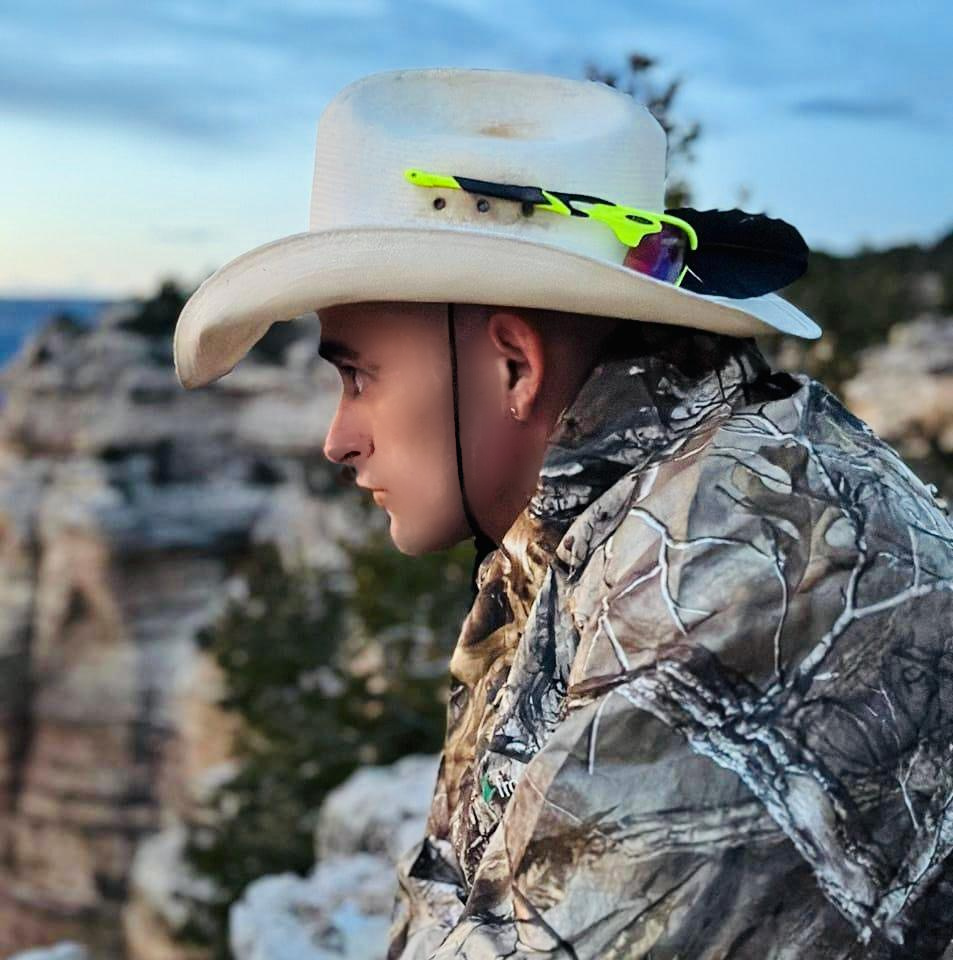
The first essay in Urban Native: The Musings of a Queer Navajo Cowboy in Hollywood:
The Owl of Griffith Park
Folks back home in New Mexico consider Los Angeles to be the throne of Satan. Why do you think it's this cowboy's permanent address? My sister once said during a brief visit to the City of Angels that she wore an aroma of marijuana. This evening her statement rings true as the evening breeze blows down from the San Gabriels into the streets of Burbank, networking its way to the LA Equestrian Center and Viva Cantina Restaurant while bringing along cool mountain air saturated in the sweet whiff of the ol’ Demon Weed. The Cantina's outdoor patio holds my bony Navajo ass in a faded white wicker chair while a whitewashed railing perches my aching feet clad in tired leather ropers painted with dried horseshit.
The year is 2015 and my sweaty salt-encrusted straw Stetson drapes over both eyes, masquerading the illusion of a cowboy taking a siesta. Nothing could be farther from the truth. With arms loosely crossed, I'm actually peering through the aerating vent woven 360-degrees around the crown of my hat. Like all of us, horses are more themselves when they think nobody's watching. A snoozing cowboy is an easy target for horses to take full advantage.
The dirt alley next to the patio has multiple rows of steel hitching posts where almost 40 horses are tethered, 13 of them belonging to Steve Smith, owner of Sunset Ranch, the last remaining ranch in Hollywood Hills where back then I worked as a wrangler. The ranch offers a dinner ride in which I take paying guests on horseback from the ranch at the head of Beachwood Drive in Hollywood up over Mount Lee, then down past the LA Zoo through Oak Canyon and across the swinging bridge spanning Los Angeles River, arriving finally at Viva Cantina. The ride both ways is just over 12 miles and takes 4-5 hours including dinner, unless of course the guests get wasted at the Cantina's bar. There's nothing more challenging than getting drunks safely home via a 19th-century version of Uber, which is the reason my feet are tired and need propping up.
I'm watching the horses through the aerating vent in my hat because horses are as good at untying knots as a challenge course facilitator. The old-timers who still work for Steve have great stories of the past when they came out of the Cantina with their guests only to find all the horses had untied themselves and made the 6-plus-mile journey alone back to their corral in Hollywood. Guests always ask the attractive wranglers to join them for dinner, but I always defer to the patio escaping the boring idle chatter inside but more importantly ensuring our mode of transportation doesn't abandon us. Do we really want self-driving cars?
Two of my favorite things about Viva Cantina are that wranglers eat for free—I mean it's the least the restaurant could do since we're bringing them business—and I also love the live music playing every night by great local musicians. The outdoor server refreshes my 7-Up, chips and salsa, then sets the biggest ground-beef burrito in California before me. Hungrier than a tick on a New Mexico coyote, I satisfy the appetite another honest day's work LA has created. Roxy whinnies at my miraculous resurrection and I blow the beautiful mare a smooch.
On the ride back after dinner, crossing the river then traversing the tunnel beneath the 134 freeway, our journey passes Forest Lawn Memorial Park – Hollywood Hills. The cemetery is naturally haunting on horseback at night, surrounded by ancient oak trees bathing under a full moon whose reflected luminosity casts long shadows upon the massive branches fingering over the trail as an owl hoots from somewhere in the canyon. One of the guests asks about the owl, but sadly at the time I still didn't know enough about the Owl of Griffith Park to introduce her to my riders.
After becoming the challenge course director for Griffith Park Boys Camp two years later in 2017, I would learn exactly where the owl lives who was hooting that night in 2015. She has a huge nest next to the boy camp's zipline tower up Crystal Springs Canyon above the golf course, where multiple scientists study her story of survival as urban wildlife. In 2015, I still hadn't been around long enough to know where she lived, but now I see her every time I climb up onto my Hollywood Hills challenge course. She is the nicest and sweetest friend! I'm so happy she chose to live in an old pine tree on camp property, which luckily has restricted access to the public. I would have to become an employee for the great City of Los Angeles before getting the chance to formally meet her, but even on that night in 2015 riding back to the ranch after dinner, I knew without a doubt this hooting gal was a kindred spirit whom I had way more in common with than the humans riding my horse friends.
Today in the year 2021, I'm friends with a lot of the city park rangers, all of whom worship the work being done at Boys Camp. Ranger Tom is the head honcho ranger. Tom's a good guy. He doesn't wear a gun despite the city's new attempt to make the department more law enforcement oriented. Ranger Tom leads our weekly hikes during the nine weeks of summer camp as we take the campers to the top of LaBonge Summit. On the hike sometimes the kids will get Ranger Tom to share his ghostly encounters experienced during his years of service to the city's parks.
During the 2019 summer camp season while hiking the boys back to camp over the landfill, our procession approached a significant fork in the trail—significant in that choosing the right fork would return us to Amir's Garden and boy camp, while the left fork drops into Oak Canyon along the cemetery where my guests and I heard the owl hooting after dinner in 2015. Stopping at the fork I ask Ranger Tom if he had ever seen a ghost at this spot in the trail. Tom grew quiet before asking, "You saw a guy sitting over there on the boulder next to that eucalyptus tree, didn't you?"
Back on that night in 2015 with the owl hooting overhead I rode point, in front of the group, as our horses climbed out of Oak Canyon emerging onto the abandoned landfill. Industrial orange lights speckle a powerplant turning the landfills escaping methane into electricity. With the dark forest behind us my guests become more talkative. They chatter about the Cantina's amazing vibe before segueing into me sharing my Griffith Park ghost stories.
City rangers and horse wranglers see some crazy things in the park at night. Ranger Tom once came upon a naked man brandishing lethally sharp Samurai swords. A fellow wrangler guiding a group through the park at night came upon a naked woman lying in the center of a pentagram that she had drawn large-scale on the trail. While riding back on a different night after dinner, my group came upon a mountain lion prowling a section of the trail in Bronson Canyon. Rangers and wranglers will concur, ghosts are the least dangerous spirits you'll encounter at night in the park. As we rode across the landfill, I didn't need to share any ghost stories, because we were approaching the same spot where Ranger Tom, four years later, would ask if the ghost I was about to see was a man sitting on a boulder next to a huge eucalyptus tree overshadowing this infamous fork in the trail.
The closer we came to the fork and eucalyptus tree, the more jittery all 13 of our horses became. I was riding Ben, a $12,000 international champion roping horse who has performed in arenas surrounded by thousands of people. Still, whatever lay ahead absolutely shattered Ben's unbreakable resolve that night. By the time we reached the fork, Ben was rearing up, bucking and scaring the crap out of my guests whose horses were becoming unnerved as well. The dark shadow of the eucalyptus tree had until then caped its surroundings like a shroud enveloped in darkness, but now standing at the fork Ben and I both could finally see at the trunk's base an odd-looking man sitting upon a boulder looking perplexed. Politely asking the stranger if he would step out of the shadows to stop scaring our horses gained me no response. The stranger sat immobile while the horses went insane. I subsequently would encounter this haunting man on three different nights.
On the night of this story, Ben nearly reared over on me and I was finally forced to dismount and lead him by the reins, beyond this statue of a man sitting beneath the eucalyptus tree at the fork in the trail from which Ranger Tom, 55 boys and myself descended onto four years later returning from LaBonge Summit. As Tom and I talked about this haunted part of the trail, all the boys grew as quiet as the ranch guests had in 2015 while riding our horses past the cemetery. One of the boys listening to Tom and me discover a shared ghost encounter suddenly heard the Owl of Griffith Park hooting. The owl sent a shiver through the boy and instantly I took a knee, patting his shoulder reassuringly before introducing him to my best friend in the whole hooting world, that lovely timeless old owl who just as this Navajo cowboy is simply urban wildlife, equally as harmless as a ghost.
I say to the boy with confidence, “Ghosts mean us no harm, nor do owls. Tomorrow up on the zip line tower remind me and I'll point out the tree house of the Owl of Griffith Park."
Sweetness
True love is worth it
A man with love is what I want
With whom to vanquish loneliness
Share memories fondly
Walk together instead of alone
These are not the seeds of poetry
Rather linear description of 10 years going on 11
After one decade of love
Fire still burning hot in my heart and loins
Love is life's intention
It's okay to be needed
I make a living at that
But to be wanted is something else entirely
For someone to want you in their bed with them
For them to want you at their side
Want is my desire
Want is true love
Nothing in existence can want you
In the way only a man can
Sex is great
But love is what makes it great
And to have such greatness is possible
For love is strong enough to be walking into year 11
Give me someone who wants my love
As desperately as I want his
Love made strong through years of tender sweetness
— April 10, 2023
Nutcracker
10 JAN 24: We talk about the days of arranged marriages as if they were in the past when everyone today has in fact taken on this role of dictating love's moral compass. What was once a right only allotted to the biological parents is now wielded by everyone and thanks to social media everyone literally includes EVERYONE. Today, you obey the whims of societal endogamy no different than kids back in the good old days bowed to marriages arranged by mom and dad.
Beware falling in love with someone older than you whom society disapproves because like God on Mount Sinai the masses have ruled: Thou Shall Not Fall In Love With Thy Film School Professor. Sure, today has let the LGBTQs back in in certain places across America but... don't get too cocky or society will rain down brimstone and fire like Brothers Grimm do to children who refuse to do as they are told.
Love is love, not something for second-handers.
Not sure fascinating is the right word but whatever the right word is that word describes the irony of living in a society perpetuating love while you and your partner get through a year of cancer treatment and no family ever asks, "Hey how's Travis doing?" This is how I know blood is skin deep. Another good example of modern irony is when folks invite you, but just you not you and your partner, like maybe if you were with a woman or a man with a socially acceptable age you'd get an invite as a couple, but instead only you get invited despite being in a 12-year relationship with someone.
Navajo society was inclusive to homosexuals, two spirit people and many other forms of human sexuality long before colonists came along whose spoiled rotten descendants are now pretending to be Navajo (Dine word for human) in order to hide the stories of American hate told by Rosa Parks, Geronimo and Chief Justice John Marshall. Today gay marriage is illegal in the Navajo Nation which is why California stole me from Dinetah (Dine for Navajo homeland). Despite Americans using centuries to make Navajo as hateful as them, I refuse to kneel before Manifest Destiny.
TRAVIS' RESPONSE:
Although it initially took a lot of eye-rolling and "Oh, Travis, you old fool" moments for my friends to accept our love, literally everyone in my life changed their minds when they met you and saw the love in our eyes we share without trying. Of course, there have been other less approving peripheral people who have proven themselves to be more jealous of us then happy for us, but not the real people, the special ones we've chosen as our "family" of friends. We are so lucky for them but in the last analysis, our love has created a force field around us that has survived all the naysayers. The destructive judgmental nature of societal rules and mores have no room in our lives together.
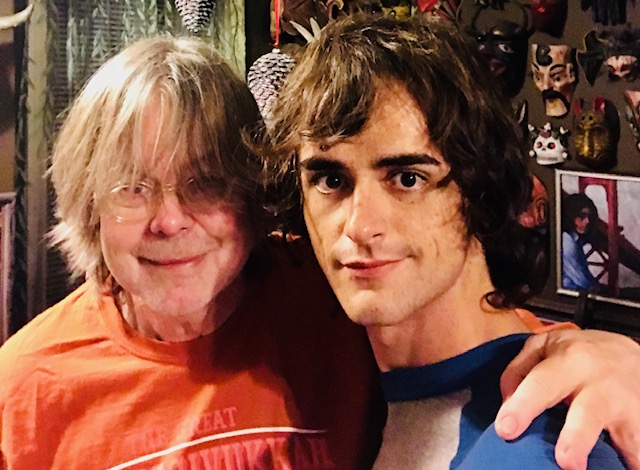
HOLIDAY SPIRIT (Thanksgiving, 2021)
Never lose sight of the beauty
Trust in the truth before us
A gorgeous spruce decked with all the trimmings
I've personally wrapped most of those presents
Smell the aroma floating in from the kitchen
Dinner is smelling mighty fine isn't it
Fresh chopped logs burning in the fireplace
Just wait until you taste that turkey I'm baking
It'll melt in your mouth and erase all doubt
Everything's going to be alright
And not ‘cause I say so
I'm bespeaking our yummy hot cocoa of course
Almost time to turn on the TV since its purt-near 7 on a Sunday
Yeah I know Alfonso Ribeiro is annoying
But AFV is a documentary about us
What would the rest of the world do without us
Who would there be to laugh at if it wasn't for our self-righteous democracy
Laughter is what gets humankind through to the other side
Every court needs a jester
Even one so humble as ours
I mean simply looking at myself in the mirror is funny
So I've got to be hilarious for you
What would you do without a skinny runt like me
And all of my hilarious shortcomings
Of which there are many much to your advantage
Beauty often doesn't come with holiday ornamental perfection
So never underestimate the power of love
Therein lies the beauty I'm talking about
A home worth trusting in
Like this one here we're cuddling in tonight
May Republicans lose Georgia so Biden may help the many homeless this holiday season
Like how we help each other carry on through life
Less of a destination and more an adventure
I may be funny to look at but we sure have a lot of fun together
Who can recall all of our crazy shenanigans
Remember that time in the parking lot outside the theatre
Fellow patrons strolling past on the sidewalk
I admit you were right about getting tinted windows
They sure have come in handy
How in the world do you put up with me
Never mind don't answer that
Let's just leave well enough alone
I'll go check on the turkey
You stay right here looking beautiful
And I'll be right back
Country Boy Love
May 13, 2019
I’m slowly moving into the seventh year of a relationship with the love of my life. Does seven years make you a viable expert in something? Expert means being talented in a hard situation. Seven years of love isn’t hard work, so I don’t rightly consider myself an expert on love. All love requires is two souls with time for each other. Have you ever dated anybody my age these days? The young dating pool of 2019 is filled with mini versions of my father. Of those born between 1981 and 1996 more than half think they’ll become millionaires. Specifically, 70% of millennial men and 38% of women believe they’ll become millionaires.
Thankfully my successful father spared me from this delusional millennial state of consciousness, because almost none of my father’s friends who got into the oilfield industry with him after high school succeeded at the same scale as him. Counting my dad, maybe three became owners of their own companies capable of turning a profit and surviving the Great Recession. The vast majority of my dad’s friends wound up dead or in prison, because that’s just what happens to the losers in New Mexico. 2019 is a dating pool of losers convinced by the American Dream that they’re winners.
The only type of person harder to date than a loser convinced they’re a winner, is dating an actual winner. Mom revealed to me by my ninth birthday that nobody can compete with the American Dream. My father is in love with America; hence he has no time for anything or anyone else. You cannot love someone who is in love with America for this country requires a person’s lifetime, which means they have no time left to love their families.
I cannot compete for the love of those who as my father are already in love with the sweet promises of dear Lady Liberty, because love simply requires two souls with time for each other. I have no problem with a relationship involving more than two people, but there isn’t time now for a two-person relationship. How could a tribe possibly exist in a world with modern expectations such as they are? Finding one soul with time for me has more than sufficed my dire need to receive and share love.
I’m not saying I’m rich, but I definitely didn’t grow up poor. For this reason, I cannot deny the need for wealth in this world. But at what cost? The deck is already stacked against me regardless of how successful my father is, therefore, millennials make me laugh. My success in gaining a debt-free college education, runway modeling, acting study in Manhattan and LA, working as a Hollywood horse trainer, and progress in Outdoor Leadership Education are all success resulting from being able to afford doing them.
Over 90% of Americans cannot afford success, and that is the statistic that makes me laugh at my peers. Nothing greater exists than being the cowboy cleaning horse manure with a shovel in Hollywood, and experience millennials (convinced they’re about to become millionaires) looking down upon me as a common laborer. The reason nothing greater exists than being that cowboy is because I can afford to shovel horse shit. Young people do not realize that one must be wealthy to live the luxury of being a cowboy, because working with horses doesn’t pay anything. I have the money to stick around long enough to see those judgmental millennials realize life in America first requires money, be it runway modeling or shoveling horse manure.
I’ve been around long enough to see millennials realize they’re no different than my dad’s loser friends who never made it into the 1% club. Nothing a shit-shoveling cowboy enjoys more than ordering a millennial to make his coffee at Starbucks in the morning. Money is so divisive, which is why seven years of loving my boyfriend wasn’t a day of hard work.
All a country boy needs is someone with time to love, and today that is a rare quality to find. It is hard to find someone who can see a cowboy shoveling horse manure as a man and not a laborer. The result of being star-struck with America is it turns the entire world into laborers forever divided.
The problem with living in a world of laborers is that sometimes the cowboy shoveling horse manure is more worth the time of day than millennials promising to one day be the next Jeff Bezos. The problem with a divisive world is that it allows age to blind us from seeing someone well worth the time to love. The problem with the present is nobody sees anything except the American Dream anymore, which means millennials are in a relationship with a colossal lie.
I don’t need a lie when all I crave is a man. One able to hold me tight for seven years, not as a bragging right, but because seven years of love beats seven years of clinging to illusional grandeur.
Story of Runaways
Being self-aware of the journey
Does not reassure the destination
For destiny's road is tread by mortal sole
All seeking to fulfill their hearts
Voids of lonely desire in need
Like dreams of night concocting images of men into gods
Transfiguring us into taillights beneath the setting sun
Vanishing and reappearing with each new bend in the road
Taillights of the future that are always just out of reach
Set between solid lines of paint on asphalt
Boundaries not meant to be crossed
Forever determining fate's hold over us
Abandoning mankind to his fantasies
Always leaving the heart aged tho still in want
Having never set foot upon the imagined destination of gold
Far ahead down this road laid beneath the black night
Somewhere between these painted lines of civil mediocrity
Concluding that nobody can write their own ending
No more than Coronado could find a city of gold
For destinations no longer exist in this world of ours
Paved over long ago in the quest to catch up with those distant headlights
The transfixed illusion of self awareness
Never able to change course
Despite the passionate desire to one day arrive
Driving us farther and farther down this road in a dream of night
Till at last we all wake up in time
To realize that no one has ever left home
Because as surely as the sun shall rise tomorrow
All dreams like roads eventually return us home
Home Of My Heart
I hear you breathing softly,
As wind whispers through leaves;
Music to my mortal ears,
Stirring my heart into flight,
Barking as crow's wings upon the breeze.
I kneel to take you in my hand;
I cry as you fill my soul with peace,
The mountain is but a reflection,
Of your most beautiful face.
The intoxicating aroma of your essence,
Like pine needles after rain,
Smell like marshmallows roasting;
My childhood memories return.
Life is the embodiment of your figure.
I am but returning home.
May you forever take me,
And overflow my broken vessel
With the powerful magic of love.

LA
Embrace better days
Forgetting the past
Casting away tomorrow
It's better here
Inside the moment
Slipping gently by
Come take refuge
Be my guest
Herein lies reality
Place SoCalians abide
Despite fantasy destinations
Concocted starting points
Imagination versus insanity
We are LA
Do you dream?
Are you insane?
Or in between
Just like LA
My lovely home
Quaint isn't it
Nothing too fancy
Borders on loud
Me humble abode
Es tu casa
Welcome inside friend
Better isn't it?
Than being outside
Land of outsiders
Where is outside?
Wasn't the clouds
Nor father moon
Perhaps maybe Mars
I doubt it
Outside isn't real
Real is LA
Yes indeed friend
Embrace better days
Outside isn't better
Better is here
Inside the home
Realm of freedom
Where you’ve arrive
Welcome to LA
Where dreams die
Insanity lives homeless
Still some survive
Embracing better days
Come share them
For a while
The Liberal
What is change? Fighting for civil rights? Reclaiming one’s Native American culture? Buying a new car? A career?
As one gets older it gradually becomes apparent that change is less of a state of mind and more of a spectrum that encompasses the broad unfolding of one’s life here on planet earth. It doesn’t take a genius to realize that the earth is in trouble, that things need to change. The million-dollar question is how do we as individuals affect the world around us in a way that actually matters.
Maybe the problem lies in the fact that it’s a million-dollar question. As a teenager, the idea of change sounds easy, because rebellion is an idea rather than a reality. Smoke, drink, have lots of sex, skip Political Science 101 for a day at the lake with your young beautiful friends. The problem with new idealistic eyes is that they haven’t yet seen the consequences of living in our current reality. Live long enough and eventually we all see unplanned pregnancies, STDs, alcoholism, a fast-paced economy that’s fast replacing all of us with technology, age deteriorating livelihood. Reality makes life much harder to change.
As a rodeo cowboy in college a majority of the young cowboys I met only rode bucking animals because of some misplaced ideal of rebellion. Most of them were trying to get out of abusive homes, working in the oilfield, or simply trying to win the jackpot to pay child support. Unfortunately, none of us saw the outcome of our stupidity: death, broken necks, blood, tears, pain, medical bills. Ultimately the majority of us wound up right back where we started, only now bearing scars, and scars don’t signal anything except defeat. The world keeps spinning regardless. Thus change becomes more and more elusive as new eyes begin to age. Settling for reality by simply accepting one’s place in a pre-established social hierarchy ruled by Cheney, Rumsfeld, and Trump is just easier. Vast overpopulation and drones have made us all expendable, except the select few owning fast food and fracking corporations.
I’ll never forget my college years. College was one of the best parts of my life and not because a paper diploma magically elevated me to a state of being that was far above my less financially fortunate peers. Rather it allowed my new eyes to see the world for what it really was, teaching me the most important lesson of my life. That lesson was that earth is a big terrifying place that gobbles up people on a daily basis without so much as even shedding a tear. My professors taught me that as adults our greatest gift is that we are able to do whatever we want with our lives. Anyone can join an anti-Wall Street protest in Manhattan that blocks bridges and Subway stations that keep college kids like myself from making it to 9 a.m. drama class at the Union Square campus—or just as easily anyone can go to work in the oilfield shoveling out Frack sand tanks to pay for tuition like I did.
Perhaps you are beginning to see how arbitrary life is in an uncaring world that desperately needs change. I soaked up sociology and political science like a sponge, I was a master of debate with a grade point average of 4.0 but in the end, I realized that winning arguments can still lose debates like my buddy that dropped out of college to move to Denver to claim his sexual identity that later ended badly. You can use facts, yell, discuss, whatever, and still be unable to change another person’s mind. The only thing that college did for me that Denver didn’t do for my buddy was that my professors cared enough about my future to always help me get back up on my feet when I fell.
Mortality is the Achilles Heel of change. I think that’s why liberals are losing. Sure we had Obama, but we also had Sitting Bull at one point in history too. Great men whose life efforts were destroyed by single elections, which makes the idea of change a million-dollar question. Change doesn’t pay anything. You won’t make a million dollars fighting for change. So how can anyone afford to answer it? Truly loving someone doesn’t reward you in the same way that having sex to advance your career does; just like saving the environment doesn’t reward you in the same way that destroying it can. Our reality is ruled by social perception and dinging bells on Wall Street.
The only other reality to ever have existed was the Native American world, where nature provided an alternative, but mass extinction and logging have swept that away leaving us with an out-of-control economic empire. How do you fight for a reality was losing before you were even born? How do you champion as cause that has already been so badly defeated that it isn’t even strong enough to keep Donald Trump out of the Oval Office? How do you fight climate change when you need fossil fuel and iPhones to survive? Both of which are polluting our planet at rates not seen in millions of years.
The million-dollar question sucks, because its answer still eludes us. As I get older that answer becomes less apparent and more obscured as I watch young people at Trump rallies chanting with euphoric new eyes or as I see hate crimes against the LGBT community rise instead of decrease and witness friends give up. Just like a bucking horse the world has once again left me face down on the ground in agonizing pain that makes me want to never get up again.
Then for some unknown reason I get up for the hundred millionth time and fall in love with an amazing man who has given me the greatest most fulfilling years of my life—and I use my Outdoor Leadership Education skills to teach kids with new eyes how to ride horses and see the treasure of nature. Suddenly I see the world anew with the same eyes of my old liberal college professors, and just like them I too have realize that change may simply be reminding others just how incredibly wonderful life is. Perhaps the liberal affects the world by reminding the future why it’s worth saving, because the day that our species once again learns to care is the day that we shall see change.
The Artist
Art is my time
Brush strokes my clock
Paint capturing each moment
Slowly lighting blank canvass
Energy suspended in time
Breathing life into me
Guiding my every stroke
Revealing life's ageless beauty
Children Of Love
We stand completely alone
Mighty pillars of collosus
Built upon childlike foundations
Neither belonging to any
Solidarity safeguarding our freedom
Child-giants of the sky
With visions spanning horizons
Untainted by shortsighted mortality
Our young souls unhindered
From only seeing love
Monkey Love
Tan monkey arms
White stringy legs
Nipple-length hair
That's the surface
Beneath is insanity
Armed with anger
Ready to fight
Too self-aware
Then I met you
Zeus to my Ganymede
Stag to this doe
Salvation in your strength
Injecting life into me
I was just ugly
Invisible to all around
But Gods see ghosts
Like you saw me
Making me a boy
Someone with emotional feelings
I can be loved
For Zeus loves me
Thus I can love
I love him back
From Olympus we live
Each day exploring love
I'm unworthy of You
For I'm a mortal
You're Zeus of Olympus
Yet, you don't care
You love me regardless
How fortunate I am
To be Zeus' Gany
Travis
O, to trust in this
You need just to look at me
For you'll see it in my form
My nakedness cannot lie
For it exposes the only truth I'll ever have
This is why death is the ultimate honesty
For it strips us of the ability to justify ourselves
And since I am surely alive
Believe in me
For trust is melded in my frame
See how lax and toned my muscles are
Untrustworthy muscles string up forming wrinkles
And as you see there's none of that here
Quite simply it's all just me in love with you
Read it
Hear it
See it
You've nothing to do but take me
And I'm so fortunate that you did
Coming Home
Love making is the best way this heart knows to calm the edge of life
Ambition has been finding a world from which to escape this body
Intelligence is knowing time through and through making intellectuals of the ages
Channel the water’s reflection of self by standing so as not to fall into the abyss
Place where lost souls are trapped alive in their own fantastic damnations
Merely fools will chase after the sun always setting on time
Youth lost to the whim of unknown mechanics only fools deem as god
Death is not the church unto which this life can freely worship being alive
Beware the dead walking among us forever searching without hope for true peace
The setting suns of time cast all into the darkness from which Sir Newton and Bracciolini saved us
Sorrow abides as the constant companion of the lonely damned by the churches of god
While love pulses the hope of souls abounding in joy clinging to life
Fresh mountain mornings are the cathedral of this man’s religion
Discovering the art of love making on a quest now spanning seven years with Travis
Connecting with a green broke mustang on dusty trails overlooking Downtown Hollywood, CA
Adventures on Odysseys in Ojai mountains teaching tomorrow the steady course of overcoming fear
Fear the vice governing havoc over the world of damnation worshipping destruction
Alone facing the night clinging fast to death’s many invisible masks of god
Cold as a mountain night alone without the warm love of another like my Travis
He with me makes us no longer alone which is the peace billionaires keep hoping to one day afford
God comes in many religions often damning true love’s existence
I alone am helpless against this evil force of death’s masquerade
Yet together with another living soul more constant a companion than time on this weary planet
We threaten to liberate ignorance from god’s powerful hold over our only home
True peace is the freedom to give life to others as a natural born right
Beware tempting the resolve of a true Navajo man
He shall never fall for the persistence of wretchedness
Indeed the pathway is lonely for the righteous impertinence of religion
Democracy proves the worshippers of death freely vote to continue their lonely lives of suffering
Killing one another with their misplaced hope in believing death is where heaven abides
Imprisoned by the chains of time weighing down this insufferable state of mortality
Art creates the world in which a Navajo man permits himself to worship life in peace
Here in this holy place is where my soul travels the universe with Travis
Here upon the stage of theatre abounds the heaven meant for this mortal coil
Here in the saddle astride the poetry of motion is where this soul flies
Here in these words written out on a keyboard
Here is where all Navajo proudly call home
Brush Strokes
Crows’ wings pound the air as thy caw just overhead
There images cast against the concrete sidewalk through searing rays of light
Gazing up I see familiar white clouds against pale blue desert sky
Sunrise liken to brushstrokes across a canvass
Indian Paintbrushes blossoming red, yellow, purple, blue, and occasionally orange
Sun evoked life stirring Los Angeles from slumber
Her pulse ebbing in slow morning traffic
Beauty not oft seen save in the eyes of children
Looking up at the flashing El Capitan
Dull against the eyes of the adults passing by
Overwhelmed and frowning in fret of homeless people and big city crowds
O’ my darling Los Angeles
Artistic treasure the religion in which I abide
No church house steeple or monastery on a frozen mountain peek
Los Angeles sees all of what I am
Her ear coaxing me to be myself
On stage, before a camera, on a horse, or forty feet in the air
I am more than enough
My darling Los Angeles
Life is more beautiful together
How can there only be crop circles and natural gas wells
There is simply more to love
Thus our hearts indeed beat as one
Walking down Hollywood Walk I can’t but laugh at the frowning adults
Not out of judgement
Simply their reaction to my snarky grin
I just see more than the crowds and filthy stars and concrete
My eyes see the brushstrokes painting darling Los Angeles
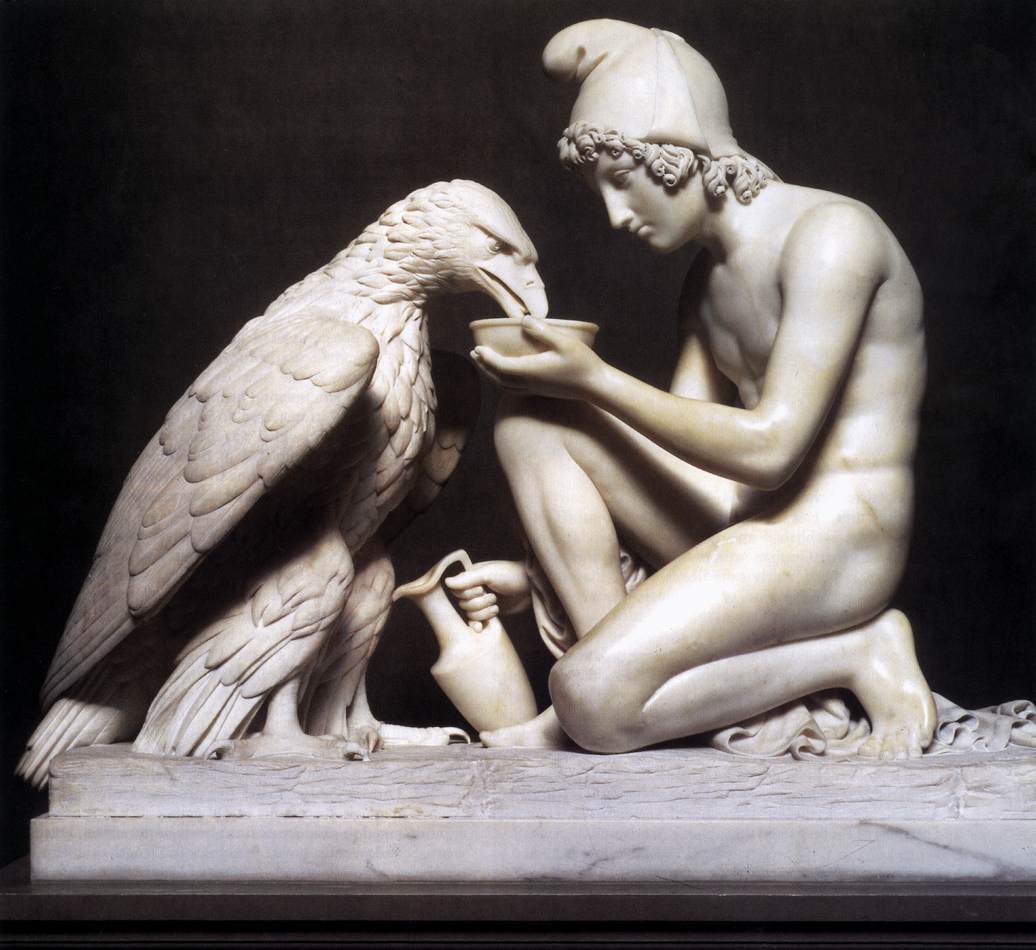
Zeus & Ganymede
When I am with you
Images begin to fade
Till all the world is gone
Leaving nothing except a feeling
Found deep within skin's touch
Of two souls that yearn to unite
Through the procreation of their own universe
To leave behind mortal bonds
For this limitless expanse of a God's love
Gift of Life
His finger feels my heart beat
The ridges within my rose lovingly hold him
A simple twitch ripples throughout my body
His finger has made us one
I writhe in helpless abandon
As he laps at the fountain of youth
Taking my soul within him
My naive tenderness succumbing to his strength
Where I discover the freedom to surrender to his love
Slowly my strength abandons me
Where at long last I offer up the rest of me
Completely spent from giving him the secret gift of life
With nothing left I let him take me in his arms
Satisfied with having forever become a part of him
Childlike
Here's to feeling grand
Brightened by life's color
Easy as breathing
Thought becoming moments
Melting into vivid detail
Brush strokes painting the horizon
Above a sea of tranquility lapping
Forevermore eternal
Whose shoreline I stand in childlike wonder
Pressing my toes beneath pale sand
Indeed our mother is mysterious
Tragic if she were plain
Rejoice with emotion
Feeling is human
Art being true creation
Gods do not create in 6 days
Gods are the molds of artists
Everything we see is art
Interpretation our greatest gift
All voices must be heard
Pain and suffering is life
So are joy and healing
We all stand at the same shore
Faced by an eternal wake
Thought becoming so important
For we cannot abide in silence
We were made to laugh and sing
Cry and mourn
Experience the brilliant canvas of catharsis
Past thoughts manifested us into existence
Ours shall do the same
Life being the eternal sea
A mass without form
An endless range of possibilities
Our moments encapsulating ones of trillions
We are all born artists
Storytellers in need of telling
Wise children are those with the gift of listening

Smile
It’s okay
You can
I won’t tell
Just forget it all
The truth will always be
So why not come away with me
Not forever
Only awhile
Discover someplace new
A place that I would rather visit
Than not know at all
Who's to predict the future
Instead I will smile
Because you’re smiling
My truth
Despite the rest
To discover happiness
Not within myself
Rather finding it in someone else
I cannot alter the world
But we can smile
And regardless of how long or short it lasts
I will know what it is to be home
That place within your smile
I Only See Love
Love is not blind
For my eyes are open
Like these fertile loins
Filled with youth's desire
Through emancipation of the flesh
A freedom from social inkling
Masks forged by hate and fear
Removed with those beloved hands
That first picked my delicate rose
Salvation from willful destitution
Through love's amazing vision
Courageous
Sweet love is true love
I know no other kind
Innocent as white on a dove
Soft caress of my breath
Gentle nip with your teeth
Brilliant splendor adorning thee
Taking me ever so gently
Surely pain comes unnaturally
Hostility a bedfellow to bitter hate
Indeed your taste is sweet
Sweet and salty
Cradle of my longevity
Sustaining me deep within the soul
Pulsing in rhythm
Our hearts beating one beat
Herein lies my manhood
Where for better not worse love abounds
Better than any alternative
Indeed the world mystifies me
Where boys are taught to destroy
But shamed for love
Hate is a plague of damnation
Trepidation ruled by religious vengeance
Not in this house
I am a man of love
Heaven is not my aim
Sweetness is all I have
Bitterness results from not sharing it
I am still too full of life for sourness
Blood of my great ancestors fills me
Not the blood of Christ
I may only be inseminated with love
Who possibly could be man enough
Very few so it turns out
Reason I count myself lucky
Here in your cradling arms
Lapping at life's sweet nectar
Fearless as nature intended
I'll Be Back